
Beyond the January Reset

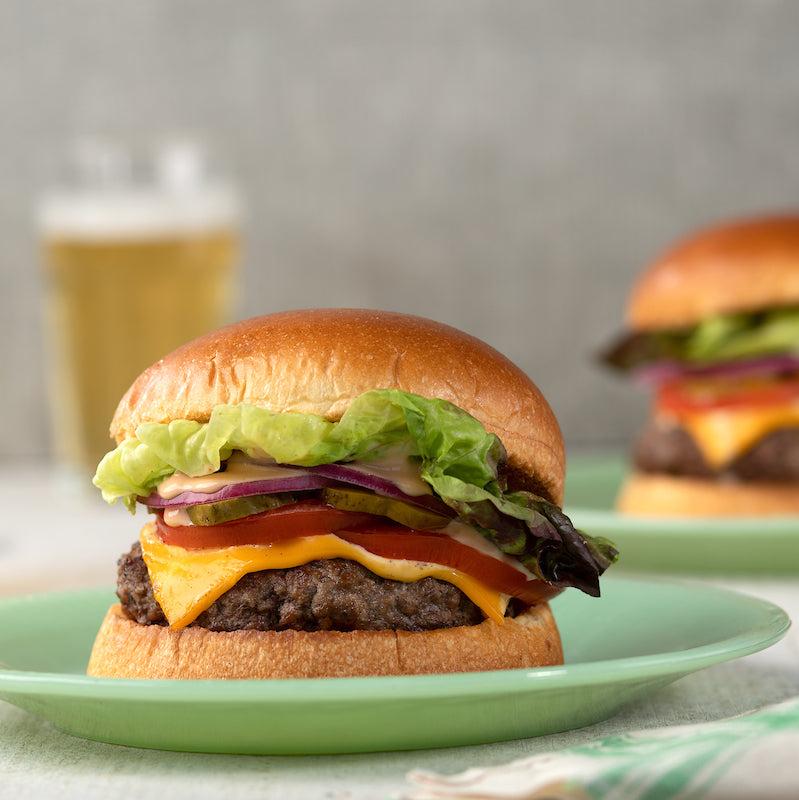
Every January, our feeds fill up with the same message: Do the right thing for the planet —get healthy by going vegetarian this year.
If you follow our work, you already know what's wrong with conventional meat production and understand why opting out isn't the answer. Given everything we’ve learned since the early backlash against industrial meat, this kind of oversimplification is starting to feel like laziness rather than insight.
Yes, conventional beef production has real problems. So does conventional production of nearly everything we eat. There are good and bad ways to grow most things. When we reduce the conversation to meat versus plants, we stop asking deeper, more important questions. We mistake simplicity for virtue.
What matters — for health, sustainability, community — is how food is grown, where it comes from, and whether the people who grow it can afford to keep doing that work. Those factors play a much larger role in shaping outcomes for climate, health, and rural communities than whether you're choosing beef vs. broccoli, almond milk vs. cheese.
When we invest in people, places, and production methods that prioritize long-term stewardship, the health of the land improves instead of declining. Farms become more resilient. Farmers and ranchers can stay in business. Young people can see a future in growing food and staying connected to land. That kind of change doesn’t come from opting out. It comes from supporting better versions of what already exists.
Being Honest About Beef
Industrial beef didn’t "win" because it was the best way to raise animals or care for land. It came to dominate because it delivered cheap beef at scale — and that’s what we demanded.
Confined feedlots, routine antibiotics, grain finishing, and mono-cropping were the solutions that gave consumers what they wanted. Policy followed. Government subsidized grain production, and we built a system that could deliver cheap, plentiful beef at massive scale.
Now we understand the costs of that system: degraded soil, polluted waterways, stressed animals, less nutritious food, and rural communities barely hanging on.
But walking away from beef doesn't fix anything.
Systems change when something better becomes economically viable, not when people disapprove. If we don’t actively support alternatives, there won’t be any left. The current system thrives because consumers had clear priorities, markets responded, and policy followed. We can do that again.
What “Eat Less Meat” Actually Means
The wellness publications that cross my feed aren’t entirely wrong, but by simplifying a more nuanced picture, they create a false sense of accomplishment.
Land management has taught me that change comes from putting energy into what you want to see. Voting against something isn't the same as voting for something else, a better alternative.
When outlets promote vegetarian or “eat less meat” approaches, they tend to cite real data demonstrating that diets heavy in processed meat correlate with worse health outcomes. Replacing some meat with whole plant foods can improve fiber intake and heart health, including cardio-metabolic markers. Plant-forward diets can reduce greenhouse gas emissions when compared to industrial meat production.
All of those things are true, but only if you recognize a few things that aren’t:
First, that all meat is the same. Feedlot beef, processed meats, grass-fed beef, and regionally-produced meat get lumped together under the heading of "meat," even though the most negative health impacts are tied primarily to processed and feedlot meats.
Second, that less meat means more whole plants. The health benefits depend on replacing meat with vegetables, legumes, and whole grains, not refined carbs, ultra-processed snacks, or highly-engineered meat substitutes. That’s rarely what happens.
Third, that plant-based foods are inherently better for the environment and are more nutritious. Most plant-based agricultural systems rely on heavy tillage, monocultures, chemical inputs, and long supply chains. The consequences often mirror those of industrial animal systems: soil loss, biodiversity decline, degraded wildlife habitat, nutrient-poor food, and struggling rural communities. The word “plant” seems to grant a free pass — it shouldn’t.
Our broken food system isn't a food category problem. It’s a production problem. How food is grown, where it’s grown, and who grows it are the questions that matter, even if they don't fit neatly into January headlines.
Regenerative Beef Is a Different Conversation
Not all beef is the same. Treating it as if it is erases enormous potential for change, especially on rangelands and pastures, which make up roughly one third of the land on the planet.
On ranches that manage grazing intentionally — prioritizing recovery, plant diversity, soil cover, and animal behavior — cattle can improve land health instead of degrading it. Grasslands evolved with grazing animals. When we respect those relationships, the outcomes for both ecology and nutrition can be transformative.
Well-managed grazing can increase soil carbon, improve water infiltration, and support biodiversity. These outcomes are achievable when producers have the support to make long-term investments. When concerns about the environment lead consumers to cut out meat entirely, we abandon the producers doing this work. When we fail to support the producers doing the work, we undermine one of the few agricultural models capable of regenerating land rather that doesn't rely on constant chemical inputs.
Health Is About Quality, Not Categories
I’m tired of beef being the villain in conversations about health.
We’ve become so disconnected from food systems and nutrition that we’ve shifted from seeking nourishment to avoiding fat. When beef is dismissed as “high in fat and cholesterol,” we miss the bigger picture. For most of human history, nutrient density mattered more than avoiding unnecessary calories.
Beef is one of the most complete, nutrient-dense foods we have. It provides all nine essential amino acids in forms our bodies can actually use, plus bioavailable iron, zinc, B vitamins, and critical fats — especially for women — that are hard to get from plants alone.
Modern nutrition debates often confuse association with causation. When whole meat is evaluated in the context of real-food diets, it shows up consistently as a nutritional asset, not a liability.
Vilifying meat disregards the ranchers who produce it, the grasslands that need grazing animals, and the rural communities that depend on people living and working on the land. It ignores the role of beef as one of the most reliable sources of complete human nutrition on the planet.
Vegetarianism may bypass industrial meat, but it ignores the fact that most people still want to eat meat. The answer isn’t to throw it out or replace it, but to support systems that produce beef in its most intact, bioavailable form, which has positive outcomes for people, animals, and land.
Food Is Also About Place
Food choices are personal, but their econonmic and cultural consequences have a ripple effect.
When you buy food grown in your region — by people you can interact with — you support land stewardship, regional economies, and a body of knowledge at risk of disappearing. When farms go away, we lose skills, relationships, and long-term stewards of landscapes. We lose pillars of community. We lose young people and families with kids in school, who help irrigate in the summer, brand calves in the spring, and play small-town basketball in local gyms.
That loss doesn’t show up in January food guides, but it shapes the future of places that matter.
A Different Way Forward
The potential for food systems to improve is enormous, and it begins with the choices we make now. Farmers and ranchers are working in real time. While philanthropy and policy can catalyze change on a large scale, they move slowly. The decisions we make today determine whether better models survive long enough to become the norm.
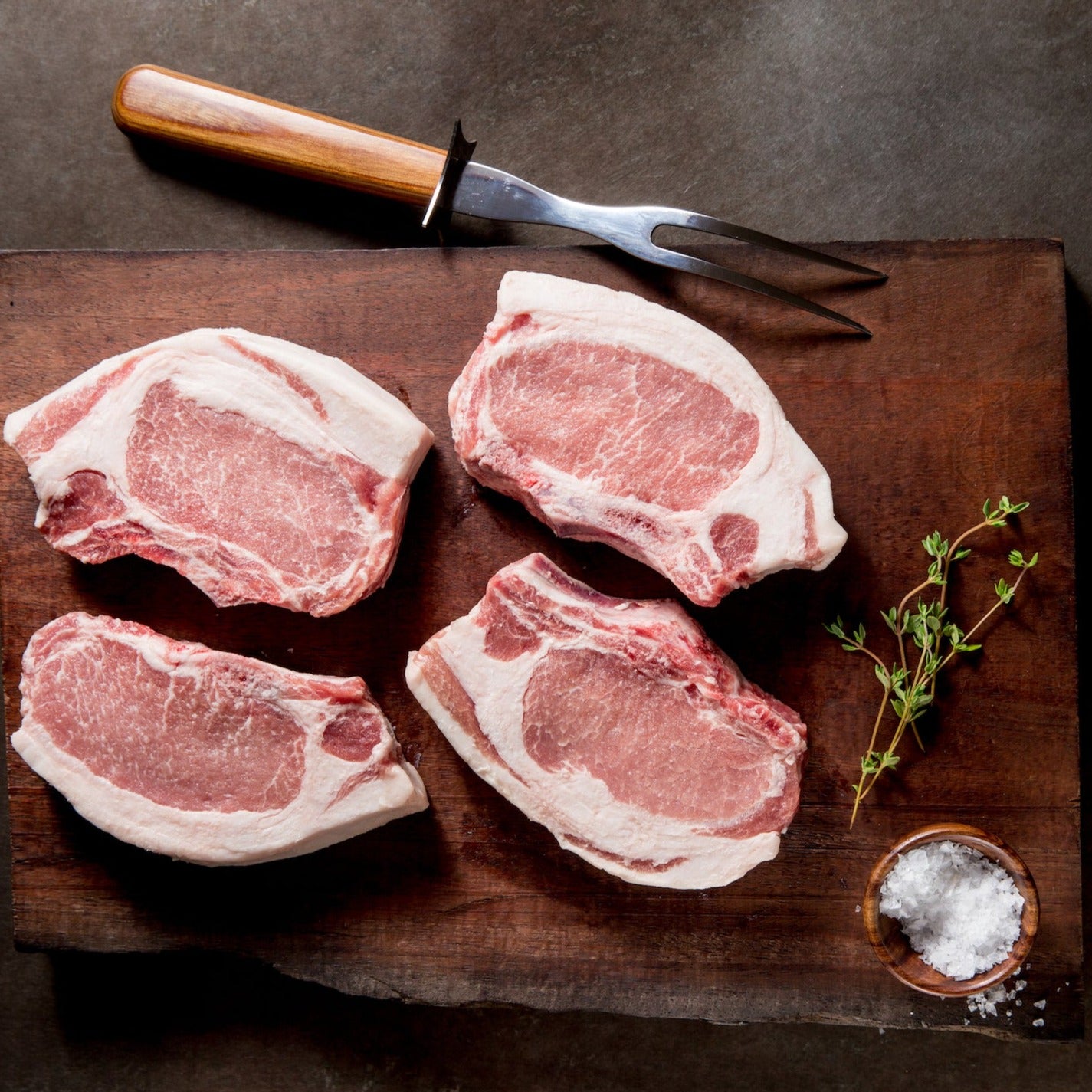
I know time and money are limited. I’m the last person to advocate for perfection. But I also have a front-row seat to observe what’s at stake. The invitation is simply to participate: Buy from regenerative producers when you can. Shop farmers markets or buy directly from the producer. Choose better meat. Stay connected to and support food grown in your region as your schedule and budget allows.
I can see a future where regional food systems are strong enough to feed our communities well. Where farmers are supported, young people want to join us, best practices are shared, and food — like wine — is inseparable from place and celebrated for that connection.
That future will be built by the people who are willing to invest in it now, so that someday, the job of policy isn't to imagine what’s possible, but to build on what's already working.



Leave a comment
This site is protected by hCaptcha and the hCaptcha Privacy Policy and Terms of Service apply.